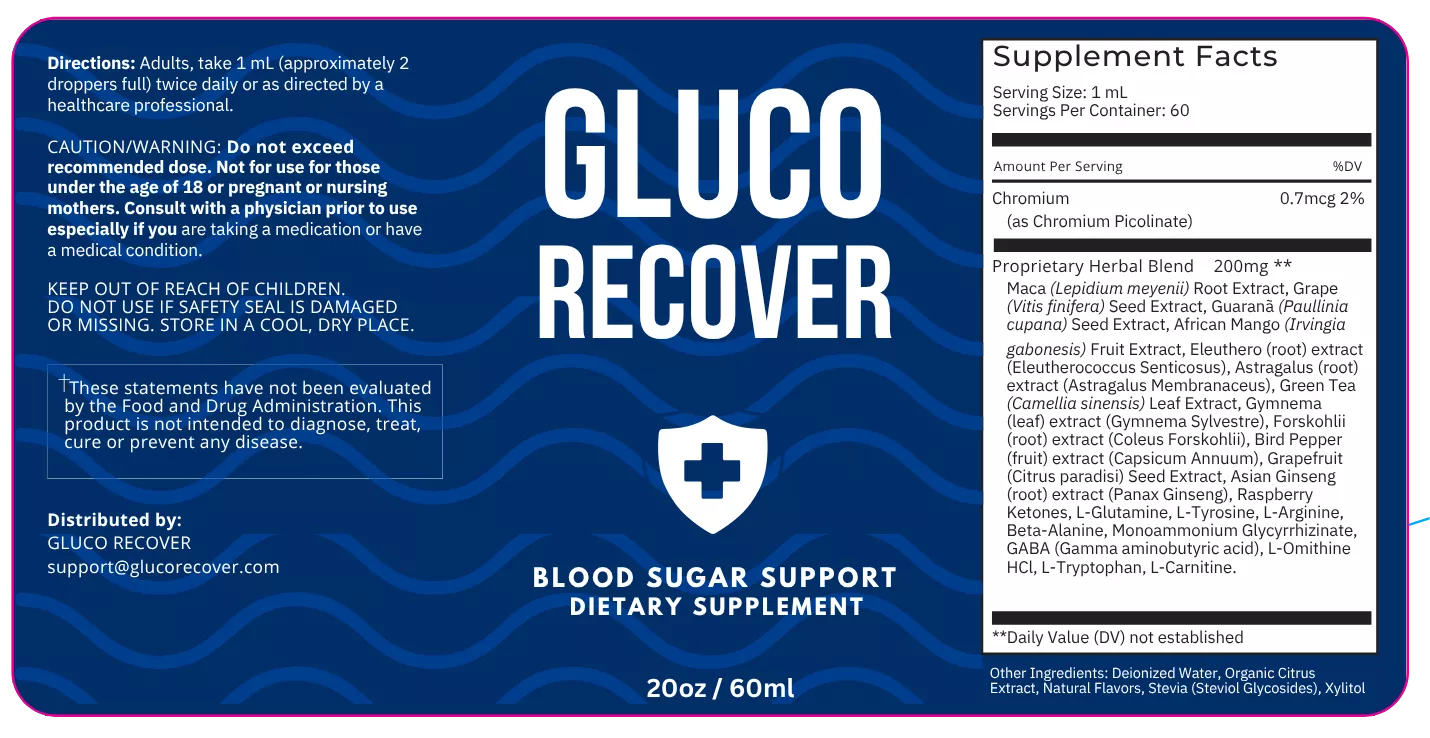
The Proprietary Herbal Blend (200 mg)
🌿 Maca Root (Lepidium meyenii)
Harvested high in the Peruvian Andes at elevations exceeding 13,000 feet, maca root is a legendary adaptogen that has sustained indigenous communities for millennia. Modern research reveals its ability to modulate the hypothalamic-pituitary axis, which governs hormone production including those that influence blood sugar. Studies in the journal BMC Complementary Medicine indicate maca can improve glucose tolerance and reduce insulin resistance markers while simultaneously boosting sustained energy without the jittery effects of stimulants.
🍇 Grape Seed Extract
Packed with proanthocyanidins—among nature's most potent antioxidants—grape seed extract combats oxidative stress that damages insulin-producing beta cells in the pancreas. Published findings in the Journal of Medicinal Food show grape seed compounds can improve endothelial function, reduce inflammation markers, and protect the vascular system that delivers nutrients to glucose-sensitive organs. Its antioxidant capacity is estimated at 20 times greater than vitamin C and 50 times greater than vitamin E.
⚡ Guarana (Paullinia cupana)
This Amazonian climbing plant provides sustained energy release through its unique phytochemical profile that includes natural caffeine complexed with tannins, saponins, and catechins. Unlike isolated caffeine, guarana's bound compounds release slowly over hours rather than minutes. Research in the Journal of Ethnopharmacology shows guarana can influence lipid metabolism, reduce fatigue, and support thermogenesis—processes closely linked to how efficiently your body manages glucose after meals.
🥭 African Mango (Irvingia gabonensis)
The seeds of this West African fruit have attracted significant scientific interest for their metabolic effects. Clinical trials published in Lipids in Health and Disease demonstrated that African mango extract reduced body weight, waist circumference, and improved metabolic markers including fasting blood glucose in overweight participants. It appears to work by modulating adiponectin and leptin—two hormones that regulate fat storage, appetite, and insulin sensitivity.
🛡️ Eleuthero (Eleutherococcus senticosus)
Sometimes called Siberian ginseng, eleuthero is a premier adaptogenic herb that helps the body mount an appropriate stress response without overproducing cortisol—a hormone notorious for driving blood sugar spikes during periods of physical or emotional tension. Studies in the Chinese Journal of Integrative Medicine show eleuthero can improve cellular glucose uptake and help maintain steady energy levels throughout the day by stabilizing the cortisol-glucose connection.
💪 Astragalus (Astragalus membranaceus)
A cornerstone of traditional Chinese medicine for over two thousand years, astragalus contains polysaccharides and saponins that have demonstrated significant anti-diabetic properties in modern pharmacological research. Studies published in the International Journal of Biological Macromolecules show astragalus polysaccharides can protect pancreatic beta cells, enhance insulin secretion, and reduce blood glucose levels through multiple mechanisms including improved GLUT4 transporter expression on cell surfaces.
🍵 Green Tea Extract (Camellia sinensis)
Rich in epigallocatechin gallate (EGCG) and other catechins, green tea extract is among the most extensively researched natural compounds for metabolic health. Meta-analyses published in The American Journal of Clinical Nutrition confirm that green tea catechins can significantly reduce fasting glucose and A1C levels. EGCG works by activating AMP-activated protein kinase (AMPK)—the same metabolic pathway targeted by Metformin—to enhance cellular glucose uptake and fat oxidation.
🌱 Gymnema Sylvestre
Revered in Ayurvedic tradition as the "sugar destroyer," gymnema's Hindi name—gurmar—literally translates to that phrase. The gymnemic acids in this herb have a molecular structure remarkably similar to glucose, allowing them to block sugar receptors on the tongue (reducing cravings) and in the intestines (reducing glucose absorption). Research in the Journal of Clinical Biochemistry and Nutrition demonstrates gymnema can stimulate insulin production by regenerating pancreatic beta cells—a mechanism few other natural compounds can claim.
🔥 Forskolin (Coleus forskohlii)
Extracted from the roots of the coleus plant native to India, forskolin uniquely activates the enzyme adenylate cyclase, which increases intracellular cyclic AMP (cAMP). Elevated cAMP triggers a cascade of metabolic benefits including enhanced thyroid function, increased lipolysis (fat breakdown), and improved insulin sensitivity. Research published in the journal Obesity demonstrates forskolin's ability to favorably alter body composition while supporting healthy metabolic function.
🌶️ Bird Pepper (Capsicum annuum)
This potent capsaicin source activates TRPV1 receptors throughout the digestive tract, triggering thermogenesis and enhanced calorie expenditure. Beyond its metabolic-boosting properties, capsaicin has been shown in research published in Open Heart to improve vascular function, reduce inflammation, and enhance insulin sensitivity. The compound also slows gastric emptying, which helps prevent the rapid blood sugar spikes that typically follow meals.
🍊 Grapefruit Seed Extract
Concentrated from the seeds and pulp of Citrus paradisi, grapefruit seed extract delivers naringenin and hesperidin—flavonoids with demonstrated effects on glucose metabolism. Studies in the World Journal of Gastroenterology show naringenin activates AMPK pathways to improve insulin signaling, while its natural antimicrobial properties support gut health—an increasingly recognized factor in blood sugar regulation.
🌿 Asian Ginseng (Panax ginseng)
The ginsenosides in Panax ginseng have been studied extensively for their insulin-mimetic properties. Research published in the Journal of Ginseng Research demonstrates that specific ginsenosides can enhance pancreatic insulin release, improve glucose transporter activity, and reduce hepatic glucose output. Asian ginseng also provides adaptogenic stress protection, helping to moderate the cortisol-driven glucose fluctuations that many people experience during high-stress periods.
🧬 Amino Acid Complex
The formula is completed with a targeted blend of amino acids that serve as building blocks for enzymes and proteins involved in glucose metabolism. Specific amino acids like L-arginine and L-glutamine play documented roles in insulin secretion stimulation, pancreatic beta cell protection, and muscle glucose uptake enhancement. This amino acid foundation supports the herbal compounds' effectiveness by ensuring the body has the raw materials needed for optimal metabolic function.